TKMS and Fincantieri Aim for Joint Underwater Framework by End of 2026
TKMS and Fincantieri have signed a memorandum of understanding on submarines and underwater systems and intend to set up a formal collaboration framework by the end of 2026, subject to regulators.
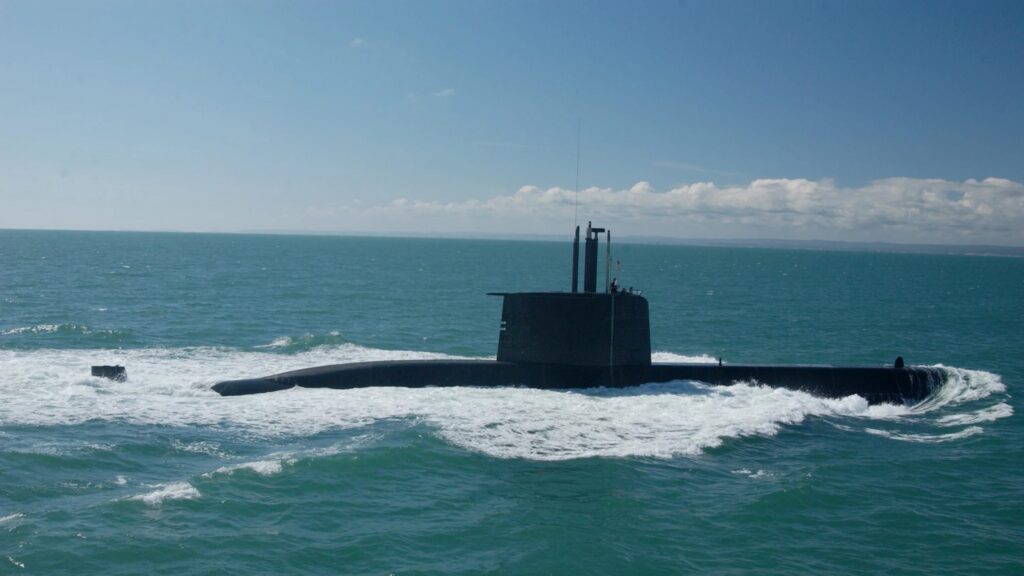
Germany’s TKMS and Italy’s Fincantieri, two of Europe’s submarine builders, have agreed to work toward a joint collaboration framework in the underwater domain, with the goal of having it in place by the end of 2026.
The companies signed a memorandum of understanding announced from Trieste and Kiel on September 1, according to Fincantieri. The framework depends on regulatory approvals.
What the MoU Covers
The agreement sets out three areas: technology cooperation, joint commercial opportunities, and building an underwater industrial ecosystem. The two firms also plan to look together at international procurement programs that they say can be pursued more effectively in partnership.
Their stated aim is to reduce fragmentation in Europe’s naval industry, especially in submarines and underwater systems, while chasing new projects and cost synergies on both sides.
“This agreement is designed to leverage complementary strengths and expertise to better serve our customers while contributing to the long-term development of Europe’s underwater capabilities,” said Pierroberto Folgiero, Fincantieri’s chief executive and managing director.
Both companies will keep operating independently. Current contracts, programs and projects are not affected.
Two Different Yards
TKMS is a German naval shipbuilder whose defense business leans heavily on submarines. Fincantieri, one of Italy’s largest shipbuilders, builds surface combatants as well as submarines and has its own underwater systems business.
That split is what the MoU describes as complementary. Neither company has said what a combined program would look like or which customers they would target first.
Brussels Moves on Seabed Defense
The deal lands as the European Union pushes joint work in the same area. In July, the European Commission proposed five large-scale European Defence Projects of Common Interest, one of them focused on maritime and seabed defense. The Commission has allocated 325 million euros to help set the projects up, and the Council must still decide on formally establishing them.
The Integrated Maritime and Seabed Defence project involves 17 countries. It covers maritime surveillance, naval combat, underwater warfare and protection of cables and pipelines, and calls for coordinated development and buying of naval platforms, underwater systems and uncrewed vehicles. The estimated cost through 2045 is $48 billion to $95 billion (42 billion to 82 billion euros).

 SURFACE FLEET · 21 NOV
 SURFACE FLEET · 21 NOV
 SURFACE FLEET · 21 NOV

 UNCREWED · 21 NOV